
The Ultimate Guide: How to Choose the Ideal Running Shoe for Your Feet
Find the perfect running shoe with this comprehensive guide. Learn how to identify your foot strike, understand cushioning, choose the right model for different terrains and distances, and ensure maximum comfort and injury prevention.
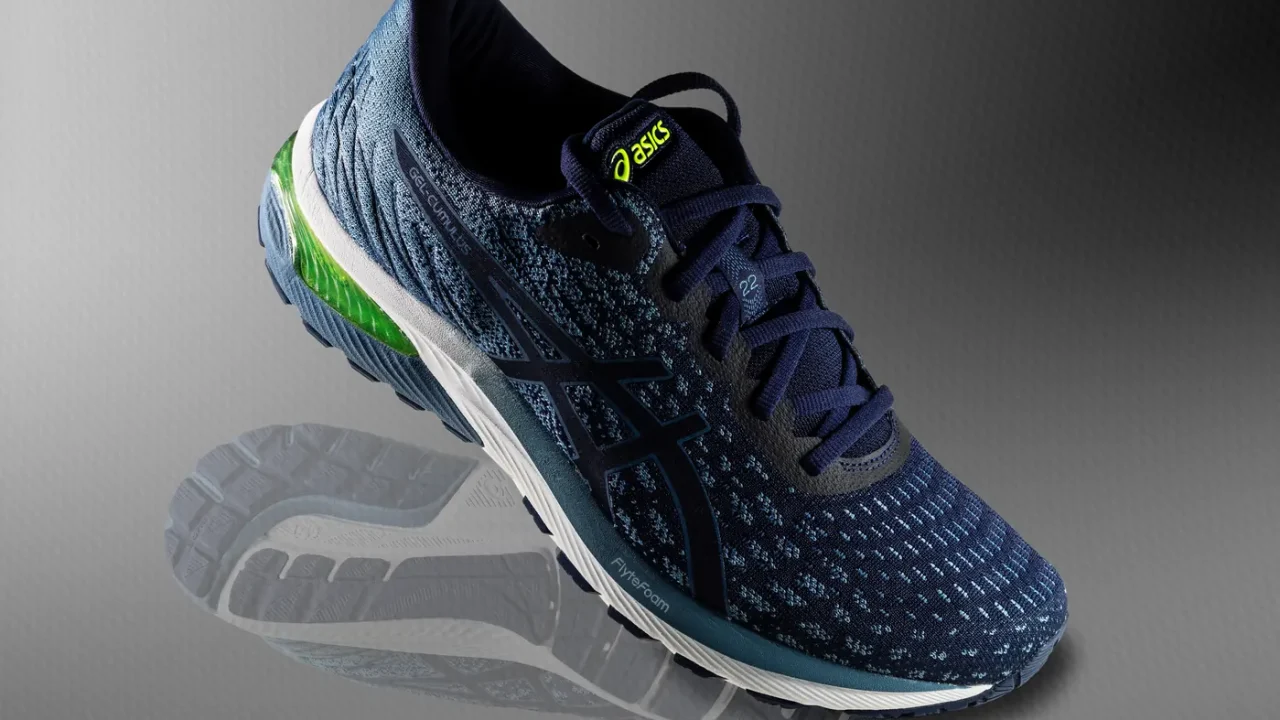
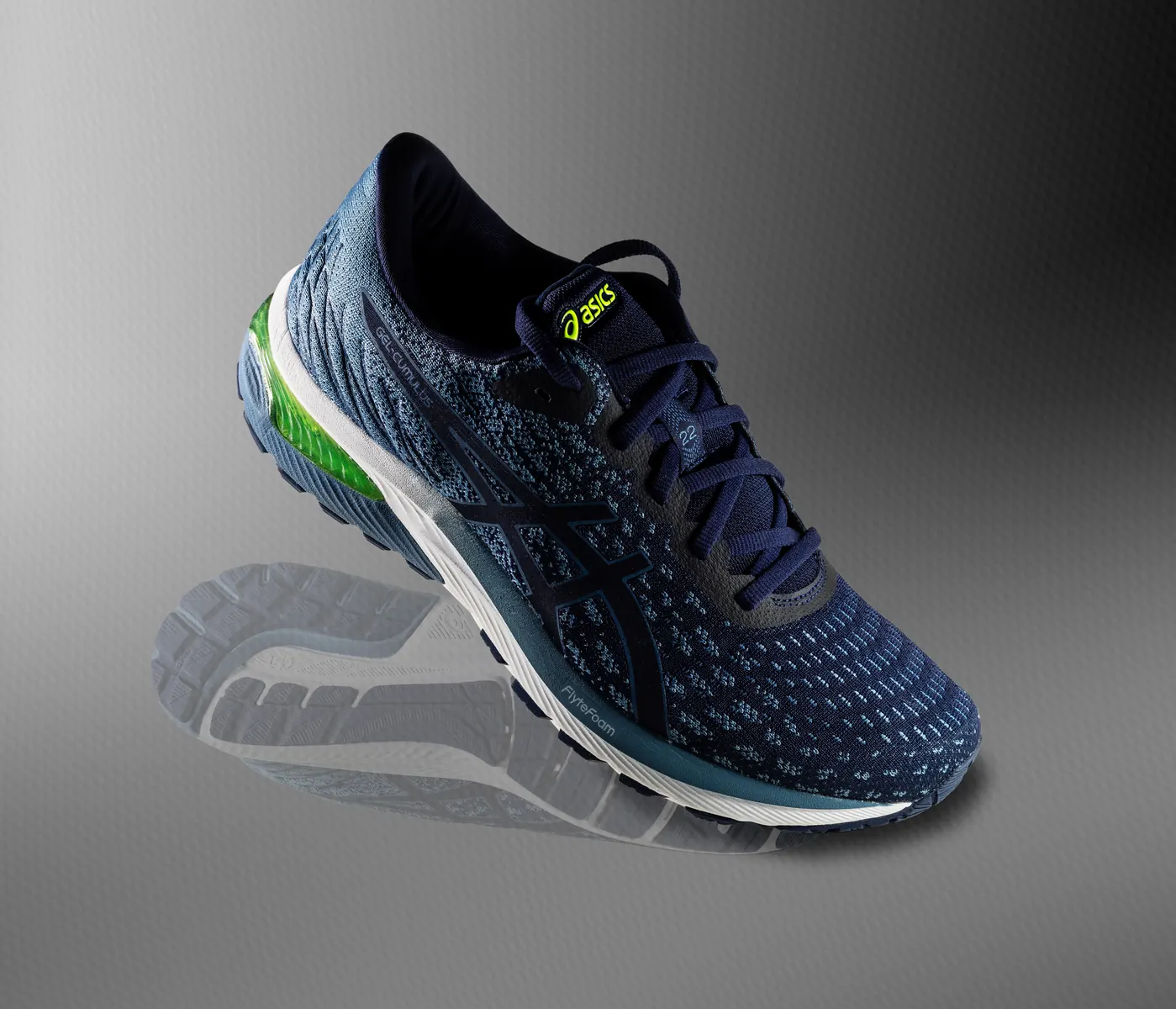
Choosing the right running shoe is fundamental for an enjoyable and safe running experience. The wrong footwear can lead to aches, discomfort, and even serious injuries, directly impacting your performance and motivation. This ultimate guide is designed to demystify the process and help you find the perfect running shoe, tailored to your feet and running style.
Understanding Your Foot Strike
The way your foot interacts with the ground during each stride, known as your gait or foot strike, is crucial. Understanding your specific foot strike pattern is the first step towards making an informed choice. There are three primary patterns:
Neutral Pronation: Characterized by an even distribution of impact force, with a natural slight inward roll that helps absorb shock. Most runners fall into this category.
Overpronation: Occurs when the foot rolls excessively inward after striking the ground. This can lead to excess stress on the inner side of the foot, ankle, knee, and even hip.
Supination (Underpronation): In this case, the foot rolls outward or not enough inward, concentrating impact on the outer edge of the foot.
To get a preliminary idea, examine the sole of a well-worn pair of shoes. Even wear suggests a neutral gait. If the wear is more pronounced on the inner edge, it indicates overpronation. If it’s on the outer edge, it’s a sign of supination. For a more precise and professional analysis, visit specialty running stores that offer gait analysis, often involving treadmill filming.
The Role of Cushioning and Stability
Cushioning is the technology within a shoe responsible for dissipating the energy generated by impact with each stride. The amount and type of cushioning should be considered based on your body weight, the terrain you run on, and your personal preference for comfort.
| Cushioning Level | Ideal For | Benefits |
|---|---|---|
| High Cushioning | Heavier runners, long-distance races, maximum comfort seekers | Maximum shock absorption, joint protection, prolonged comfort |
| Moderate | Most runners, daily training, varied distances | Balance of comfort and responsiveness, versatility |
| Low (Minimalist) | Experienced runners, ground-feel seekers, specific training | Enhanced proprioception, quick response, lightness (requires adaptation) |
Stability, on the other hand, refers to features that help control foot motion, which is particularly beneficial for runners who overpronate. Stability shoes incorporate technologies designed to counteract excessive inward rolling. Runners with a neutral gait typically do well with neutral shoes, which prioritize flexibility and cushioning without interfering with the foot’s natural movement.
Matching Your Shoe to Terrain and Distance
The environment where you run and the distances you cover are key factors in selecting the ideal shoe.
Road Running: For consistent, hard surfaces like asphalt, shoes with excellent cushioning and good grip soles are essential to absorb repetitive impact.
Trail Running: Uneven terrain with dirt, rocks, roots, and mud requires trail running shoes. These models feature robust outsoles with deep lugs for superior traction, enhanced protection against debris, and more durable uppers to withstand harsh conditions.
Track Running: For track workouts or races, lighter shoes with good responsiveness are ideal. For maximum speed performance in races, “spikes” offer unparalleled grip.
Short Distances & Speed Work: For interval training, 5k, or 10k races where speed is the focus, lighter, more responsive shoes with less cushioning might be preferable.
Long Distances (Half Marathon, Marathon, Ultramarathons): In these endurance challenges, comfort and ample cushioning become absolute priorities to ensure your feet and joints can withstand prolonged stress.
Essential Final Considerations
To further refine your choice and ensure long-term satisfaction:
Always Try Them On: Try on shoes at the end of the day, when your feet tend to be slightly more swollen. Wear the socks you typically run in. Walk around and, if possible, jog briefly in the store to feel the fit and comfort.
Focus on Your Foot, Not the Brand: Each brand offers a variety of models with distinct technologies and shapes. What works perfectly for a friend might not be ideal for you. Prioritize personal fit and feel.
Durability and Care: The lifespan of a running shoe typically ranges from 300 to 500 miles (500 to 800 km). Pay attention to signs of wear on the outsole and a decrease in cushioning responsiveness. Follow the manufacturer’s cleaning instructions to extend the life of your footwear.
Align with Your Goals: Whether for low-impact daily training, speed races, or weekend long runs, your running goals should guide your shoe selection.
Investing time in selecting the correct running shoe is undeniably an investment in your health, well-being, and athletic journey. With this guide, you’ll be better equipped to make an informed decision and find the pair that will propel you forward with every mile.
Notícias relacionadas
O São Paulo não teve uma pausa tranquila durante o período da Copa do Mundo. O Tricolor paulista passou por uma intertemporada intensa, marc
O São Paulo não teve uma pausa tranquila durante o período da Copa do Mundo. O Tricolor paulista passou por uma intertemporada…
Ler matéria
Cruzeiro demonstra carências no elenco em amistoso e busca por reforços se intensifica
Derrota para o Grêmio em jogo-preparação expõe fragilidades e reforça necessidade de contratações pontuais para a temporada.
Ler matéria
Guia Completo: Como Escolher o Tênis de Corrida Perfeito para Seus Pés
Encontre o tênis de corrida ideal para seus pés e seu estilo de treino. Este guia detalhado aborda tipos de pisada, tecnologias…
Ler matéria
Jude Bellingham: A Camisa Aposentada e a Ascensão Meteórica de um Ídolo Inglês
Antes mesmo de completar 18 anos, o jovem meia inglês teve sua camisa 22 aposentada pelo Birmingham, um reconhecimento precoce de seu…
Ler matériaWiki relacionada

Como Escolher o Tênis de Corrida Ideal
Encontrar o tênis de corrida certo é crucial para evitar lesões e melhorar seu desempenho. Este guia detalha os fatores essenciais a…
Ler matéria
Brasileirão Série A
Página de referência para a principal divisão do futebol brasileiro.
Ler matéria
CONMEBOL Libertadores
Referência evergreen para formato, calendário e cobertura da Libertadores.
Ler matéria